
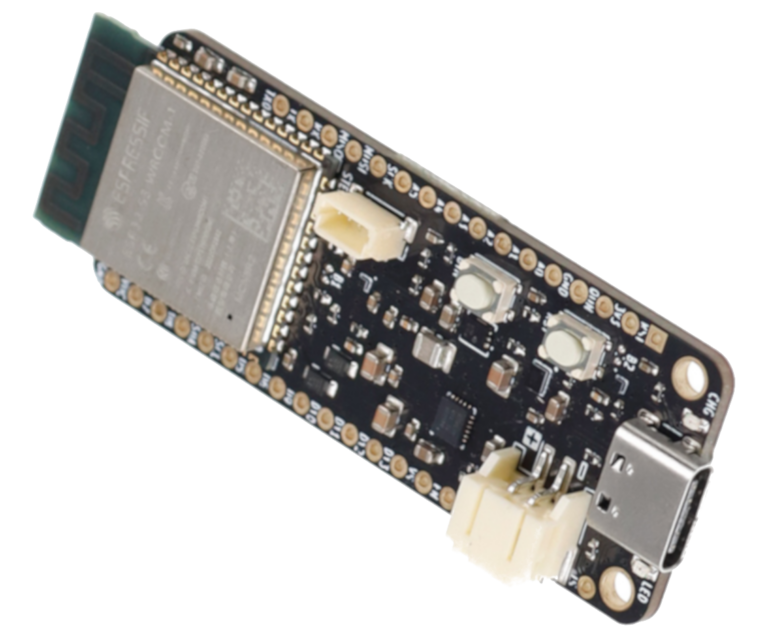
ESP32-S3 PowerFeather
Low-power, solar-capable ESP32-S3 development board for Li-ion, LiPo & LiFePO4/LFP battery-powered IoT projects.
V2 now supports Li-ion, LiPo & LiFePO4/LFP!
Also available: PowerFeather ProtoWing and PowerFeather Solar Panel
Why PowerFeather?
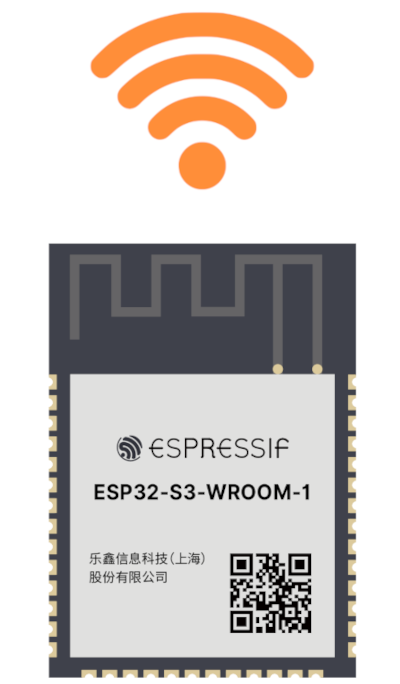
Powerful Brains + Connectivity
PowerFeather features an Espressif ESP32-S3 module at its core. This module has a speedy dual-core processor, tons of flash and RAM, a rich set of peripherals, and built-in 2.4 GHz Wi-Fi and Bluetooth 5 LE. This makes PowerFeather great for building your IoT projects with!
Dual-core 32-bit Processor
SPI Flash for Program and Data
PSRAM + 512 KB Internal SRAM
Portable / Off-Grid Optimized
Building a mobile gadget or a device to be deployed in the middle of nowhere? PowerFeather is an ESP32-S3 development board designed for low-power ESP32 battery and solar projects. It runs from Li-ion, LiPo, or LiFePO4/LFP batteries and includes onboard charging, battery monitoring, power-path control, and firmware-accessible power management for portable and off-grid IoT devices.
Low-Power ESP32-S3
PowerFeather has thoughtfully designed circuitry and carefully chosen components to minimize quiescent current in battery-powered ESP32 projects. Current consumption when the ESP32-S3 is in deep-sleep is around 20 µA, with ship and shutdown modes down to about 1 µA.
To conserve battery power in long-running ESP32 sensor nodes, PowerFeather has load switches on its two 3.3 V rails to turn off connected modules during low-power states.
Li-ion, LiPo & LiFePO4 Charging
PowerFeather V2 supports firmware-configurable charging for Li-ion, LiPo, and LiFePO4/LFP batteries. Charging current can be set up to 2 A, so you can right-size the battery for your ESP32 application and still charge at an appropriate speed. Charging can also be enabled and disabled on demand.
The charger also has a safety timer plus battery overcurrent, overvoltage, undervoltage, and temperature protections when using a battery pack with a thermistor.
Battery Fuel Gauge
The onboard MAX17260 fuel gauge estimates remaining charge, time-to-empty, and time-to-full for Li-ion, LiPo, and LiFePO4/LFP battery-powered ESP32 projects.
Since batteries age and may not hold as much charge as they used to, the fuel gauge can also estimate battery health and cycle count. This helps you replace a dying battery before it becomes unusable.
Solar Input
In addition to USB power, PowerFeather can run from an external DC source up to 18 V for ESP32 solar and off-grid battery projects. This can be a wall adapter or a solar panel.
When using a solar panel, PowerFeather supports setting the MPP (maximum power point) voltage. Current draw is automatically regulated to keep the panel from collapsing below that voltage, giving you near-MPPT solar charging behavior.
Extensive Hardware & Software Support
PowerFeather has a companion SDK for ESP32 battery and solar power management features such as charging control, Li-ion/LiPo/LiFePO4 battery monitoring, load-switch control, and MPP voltage setting. The SDK supports both Arduino and ESP-IDF so you can leverage the libraries, documentation, and community built around these platforms. On the hardware side, PowerFeather is compatible with hundreds of existing Feather Wings and STEMMA QT modules.
All these ready-to-use software and hardware components means that you’ll be able to have your prototype up and running quicker!
- PowerFeather-SDK
+
+

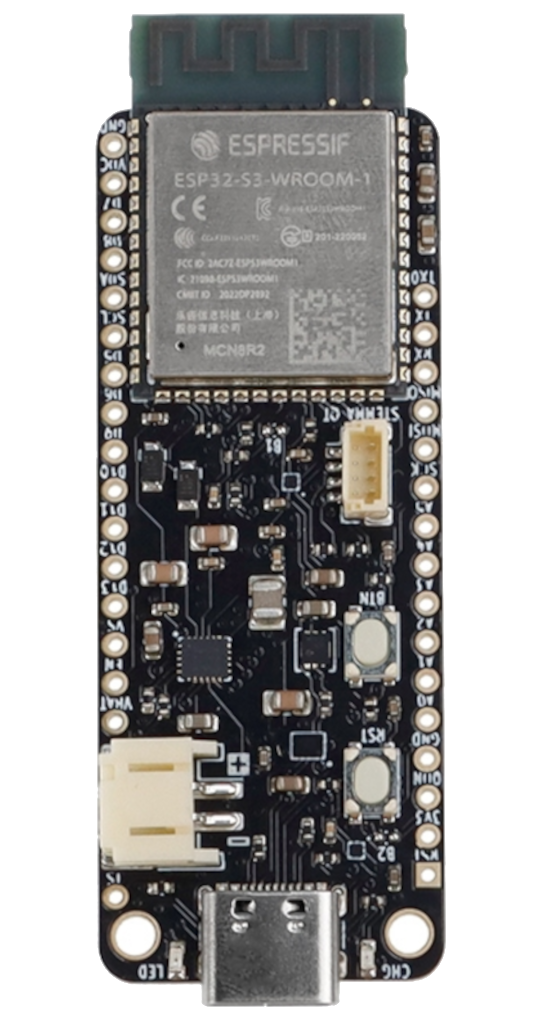
Build your next ESP32 solar battery project with ESP32-S3 PowerFeather V2.
Throw in a PowerFeather ProtoWing and PowerFeather Solar Panel to enhance your project-building experience!